What Port Dover Foundation Work Means for Norfolk County Homeowners
If you own a home in Norfolk County and you are planning any kind of concrete foundation work, the town of Port Dover often comes up as a reference point. People ask about the local soil conditions, the building code requirements, and the kind of crew you want on the job. Over the years I have seen a lot of concrete work done around here, and I can tell you that the approach to port dover foundation work is not the same as what you would do a few towns over. The ground is different, the weather patterns along the lake have an effect, and the expectations for quality are high. That is why it pays to understand what goes into a proper concrete foundation before you pour a single yard of material.
Why Foundation Work Is Different Along the Lake
Port Dover sits right on Lake Erie, and that location changes the soil behavior more than most people realize. The freeze-thaw cycle is more active near the water, and the ground can shift in ways that surprise even experienced builders. I have seen driveways that looked fine in October turn into a mess by March because the base was not prepared for that specific kind of movement. When you are dealing with a concrete foundation, the base is everything. If the gravel base is not compacted properly, or if the drainage is not directed away from the pour, the concrete will crack. It is not a question of if but when.
That is why port dover foundation work often requires a deeper excavation than what you might do inland. The frost line near the lake can be unpredictable, and the Ontario Building Code sets clear minimums, but I have found that going a bit deeper than the minimum is cheap insurance. A concrete contractor who knows the area will factor that in without you having to ask. They will also pay attention to the type of fill they bring in. Clean, angular gravel compacts better than rounded stone, and it drains faster. That matters when the spring thaw comes and the ground gets heavy with water.
Concrete Foundation: More Than Just Pouring Mud
Some people think a concrete foundation is just a matter of mixing bags and dumping them into a hole. That could not be further from the truth. The real skill is in the concrete forming and the concrete finishing. Forms need to be straight, level, and braced well enough to hold the weight of wet concrete without bulging. If the forms are off by even a small amount, the foundation will be out of square, and that problem travels all the way up the structure. I have seen houses where the foundation was off by less than an inch, and it caused issues with framing, siding, and even interior finishes. It all starts at the ground.
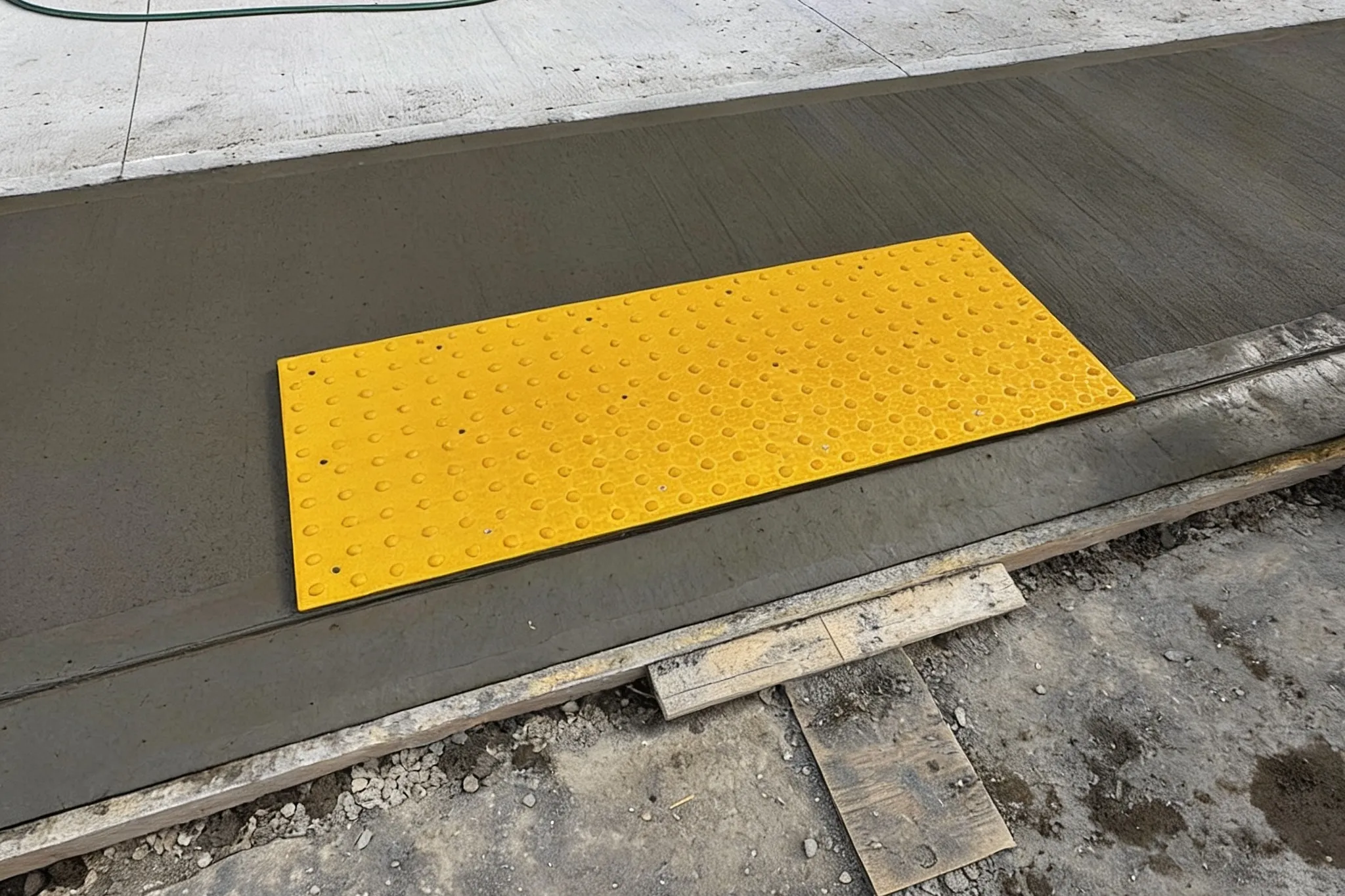
Then there is the pour itself. Concrete pouring is a science that involves timing, temperature, and technique. If the concrete arrives too hot or too cold, the set time changes. If the crew is not ready to handle it fast enough, you end up with cold joints. A good crew knows how to manage these variables. That is where union-certified crews make a real difference. These are people who have been trained on the job for years, who understand how to work a concrete pump, how to vibrate the concrete to remove air pockets, and how to finish the surface so it will last. You pay for that experience, but you also avoid the cost of tearing out a bad pour and starting over.
Foundation Repair: When Things Go Wrong
Not all foundation work is new construction. A big part of what I see in Norfolk County is foundation repair. Older homes, especially those built before the current code requirements, often have foundations that are settling, cracking, or spalling. Concrete crack repair is something that gets ignored until the cracks start letting water into the basement. By then, the problem is bigger. A small crack can be sealed with epoxy or polyurethane, but if the foundation has moved, you might need helical piers or carbon fiber straps to stabilize it. Concrete leveling is another option for floors that have sunk, but that is a specialized process that requires drilling and pumping a grout mix under the slab.
I have been on jobs where a homeowner waited too long to call someone, and the foundation was beyond simple repair. That is a hard conversation. It is also an expensive one. The lesson is that if you see a crack that is wider than a hairline, or if doors in the house start sticking, get a free quote from a concrete contractor who does foundation repair. Most will come out and look at the problem without charging you, and they can tell you whether it is cosmetic or structural. That kind of early attention can save you thousands.
Driveways and Patios: Foundation Work Above Ground
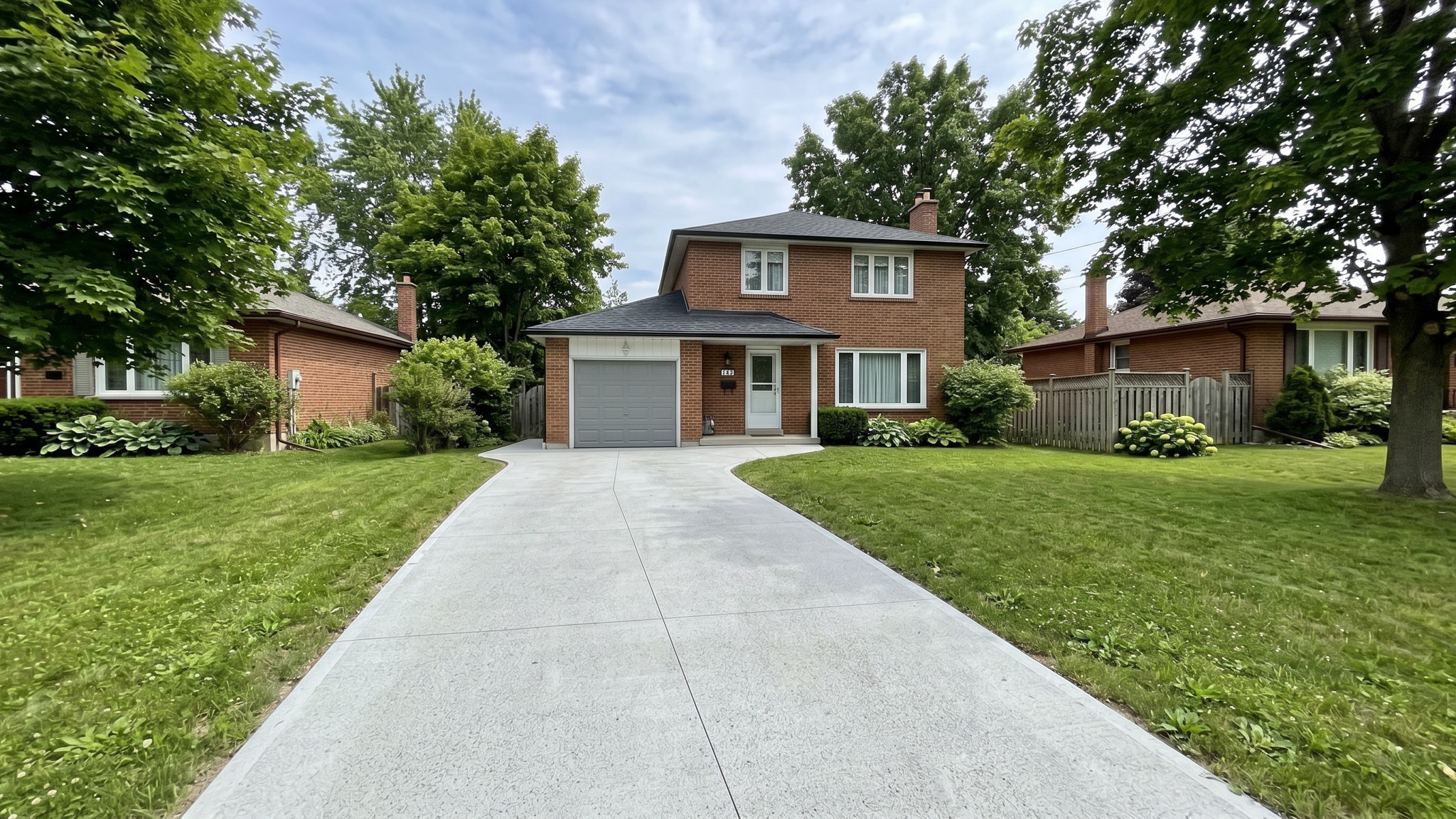
Foundation work is not limited to the parts of a house that you cannot see. A concrete driveway and a concrete patio also need a solid base, and the same principles apply. A concrete driveway that is poured on poorly compacted soil will crack and heave. I have seen driveways that looked great for two years and then turned into a mess of broken slabs because the ground underneath was not prepared right. The same goes for a patio installation. A patio that is not properly sloped will hold water, and when that water freezes, the concrete will spall. The surface flakes off, and suddenly you have a rough, ugly patio that is hard to clean and hard to fix.
Good concrete sealing can help extend the life of a driveway or patio, but it is not a substitute for proper base work. Sealer keeps water and salt out of the surface, but if the base is moving, the sealer will not stop the cracking. I always tell people to spend the money on the base and the forming, and then seal the surface as a bonus. You get a much longer lifespan that way.
Walkways and Other Residential Concrete Work
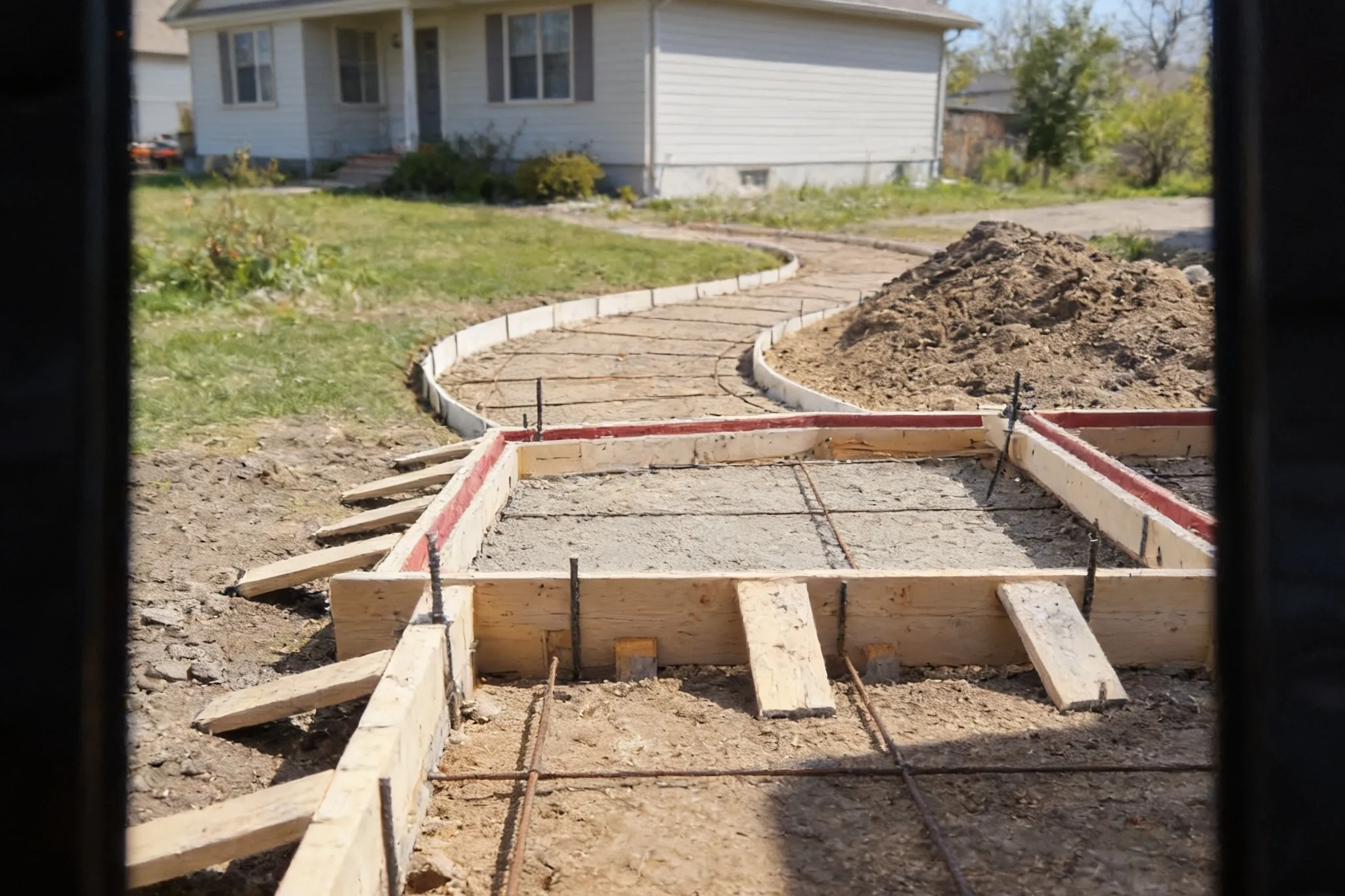
A concrete walkway is another place where foundation work matters a lot. A walkway that is poured directly on the ground without a gravel base will settle unevenly, creating trip hazards. It also tends to crack along the joints. I have replaced walkways that were only five years old because they were poured on dirt. That is a waste of material and labor. A proper walkway needs at least four inches of compacted gravel, a wire mesh or fiber reinforcement, and control joints cut at the right spacing. It is not complicated, but it requires attention to detail.
Residential concrete in general is something that people tend to underestimate. They think of it as a commodity, something that any handyman can do. But the difference between a concrete job that lasts thirty years and one that needs replacement in five is usually in the preparation. That is why I always recommend getting multiple free quotes and asking each contractor how they plan to handle the base, the drainage, and the curing. If they cannot answer those questions clearly, move on to someone who can.
Concrete Contractors and Local Knowledge
Finding a concrete contractor who knows Norfolk County well is a big advantage. The soil here has its own character, and the weather along the lake is not the same as it is inland. A contractor who has worked in Port Dover for years will know which subdivisions have clay problems, which areas need extra drainage, and how to schedule pours so they do not get rained out. They will also have relationships with the local suppliers, which can make a difference in getting the right mix delivered on time.
Union-certified crews bring an extra layer of reliability. These are workers who have gone through apprenticeship programs and have a stake in doing the job right. They also follow safety protocols that protect both them and your property. I have seen too many jobs where an uninsured crew damaged a house or left a mess. That is not worth the risk, especially on something as critical as a concrete foundation.
The Bottom Line on Port Dover Foundation Work
When you look at the big picture, port dover foundation work is about building something that will hold up to the specific conditions of this area. It is about using the right materials, the right techniques, and the right people. Whether you are building a new home, replacing a driveway, or fixing a cracked patio, the foundation is where everything starts. Get that part right, and the rest is much easier. Get it wrong, and you will be dealing with problems for years.
If you are planning a project, do not rush the planning phase. Talk to a few contractors, ask about their experience with local soil and code requirements, and get a clear scope of work before anyone starts digging. A little extra time spent on the front end can save you a lot of money and frustration later. And if you are in Norfolk County, you have access to contractors who understand these conditions. Use that advantage.